
Starting at $350
Interior painting in Boca Raton
Starting at $350. Walls, ceilings, trim and doors, with the floors covered, the edges cut clean and the room put back the way we found it.
The part that is not painting
Most of what separates a good interior job from a bad one happens before any colour goes on. Furniture moved and wrapped rather than shoved to the middle, floors covered wall to wall rather than with a drop cloth under the ladder, switch plates off rather than cut around, nail holes filled and sanded flush, and every wall wiped down. It is unglamorous and it is most of the reason the finish looks the way it does.
Cutting in by hand
The line where a wall meets the ceiling, the trim and the door casing is the thing you will actually look at every day. We cut those by hand rather than relying on tape to save us, because tape on a textured wall bleeds and tape pulled off fresh latex takes some of it with it. Where tape belongs we use it. Where a steady hand is better, we use that.
Ceilings, humidity and the right sheen
South Florida interiors run humid even with the air handler working, and bathrooms and laundry rooms run humid in a way northern houses do not. Flat paint in those rooms will not survive being wiped. We put a washable finish where it earns its place and keep flat for the ceilings and the low-traffic walls, and we will tell you which rooms we think need which rather than quoting one product for a whole house.
What the price depends on
The $350 is a starting point. A single bedroom in sound condition is at the bottom of the range; a whole house with high ceilings, heavy trim work, colour changes that need two coats to cover, and ceilings going from textured to smooth is a different project. The written estimate breaks it down before anything begins.
How the work runs
Step by step, in the order it happens
-
Walk it and lock the colours
Before anything is moved we walk every room with you, agree what is in scope down to closets and the inside of doors, and settle sheen per room rather than for the whole job. That conversation is where most of the surprises get removed.
-
Protect, then protect again
Floors get covered, furniture is moved to the centre and wrapped, and anything that stays gets masked. Hardware, switch plates and vent covers come off rather than being cut around, because a cut line around a switch plate is visible for as long as the paint lasts.
-
Repair and prime
Nail pops, dents, hairline cracks and old anchor holes are filled and sanded flush. Every repair is spot primed. Bare filler drinks paint at a different rate from the wall around it, and skipping that step is what produces a finished wall that looks patchy under a lamp.
-
Cut, then roll
Edges are cut in by hand. Ceilings first, then walls, then trim and doors last, so nothing finished is being worked over. Two full coats on everything unless the surface genuinely needs three, which a dark to light colour change usually does.
-
Reinstate and walk it with you
Hardware back on, furniture back where it was, floors cleared. Then we walk it together with a light in hand, because the time to find something is while the crew is still there.
What the price includes
- Moving and covering furniture, and putting it back
- Removing and refitting switch plates, vent covers and door hardware
- Filling nail holes, dents and hairline cracks, then spot priming every repair
- Two full coats unless the surface needs more
- Daily cleanup, and a final walkthrough before we leave
What it does not
- Structural drywall replacement, which is quoted separately under drywall repair and finishing
- Wallpaper stripping or popcorn ceiling removal, which are their own jobs
- Moving pianos, gun safes, aquariums or anything that needs specialist handling
- Repairing the source of a water stain, as opposed to sealing and covering it
Anything here can still be quoted. It is listed so nothing on the estimate is a surprise later.
What moves the number
- Room count and ceiling height
- The single biggest driver. A ten foot ceiling is not ten percent more work than eight, because it changes how the whole room gets cut and rolled.
- Wall condition
- A wall with forty anchor holes and a history of hung shelving takes considerably longer to prepare than a smooth one.
- Colour change
- Going lighter over a deep colour frequently needs a tinted primer and a third coat to hide properly.
- Trim, doors and closets
- Doors are priced by the leaf and they add up fast. Closets are often forgotten in a walkthrough and then expected in the price.
- Occupied or empty
- An empty house is quicker. An occupied one means daily reset, working room by room and keeping a path clear.
Two coats means two coats
A coat of paint is not just colour, it is film thickness, and film thickness is what gives you scrub resistance and colour that stays put. One heavy coat is not equivalent to two normal ones: it sags, it cures unevenly and it leaves you with roughly half the durability. When an estimate says "two coats" it should mean two coats on every surface named, not two on the walls and one on the ceiling because the ceiling looked fine.
Living in the house while it happens
Most of our interior work happens around people who are still living there, which changes how the job is run rather than whether it can be. We work in zones so you always have rooms that are yours, everything gets reset at the end of each day rather than at the end of the week, and we agree up front which rooms need to be usable that night. If there is a baby sleeping or someone working from home, say so at the walkthrough and the sequence gets built around it.
Questions we get asked
- How long does it take to paint a room?
- A standard bedroom with walls, ceiling and trim is usually a day including preparation and two coats. Rooms with heavy repair work, high ceilings or a dramatic colour change take longer. We give a room by room sequence with the written estimate rather than a single end date.
- Do I need to move out while you paint?
- Almost never. We work in zones so you keep rooms that are usable, and everything is reset at the end of each day. Tell us at the walkthrough which rooms need to be usable that night and the sequence is built around it.
- Can you paint a light colour over a dark one?
- Yes, though it usually needs a tinted primer and often a third coat to hide properly. That is worth knowing before you choose, because it changes the time and the number rather than being absorbed silently.
- Do you paint ceilings as well as walls?
- Yes, and we recommend it when the walls are changing, because a ceiling that was white two colours ago rarely still reads as white next to fresh paint. Ceilings are flat, because any sheen telegraphs every roller lap under window light.
- How soon can I put furniture back against the wall?
- It can go back the same day, but avoid pressing anything hard against fresh paint for a couple of weeks. Latex is dry to touch in under an hour and fully cured in two to four weeks, and in a humid house the slow end is realistic.
What the work looks like
Interior Painting in practice
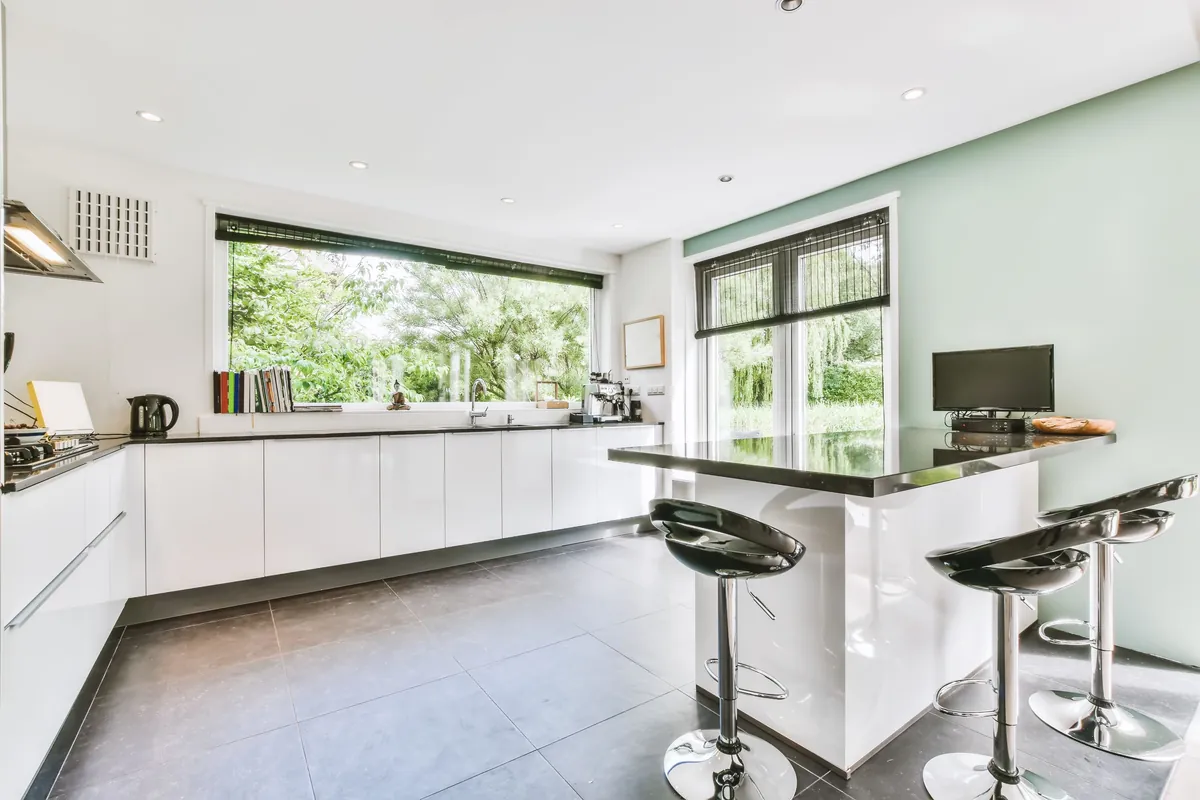
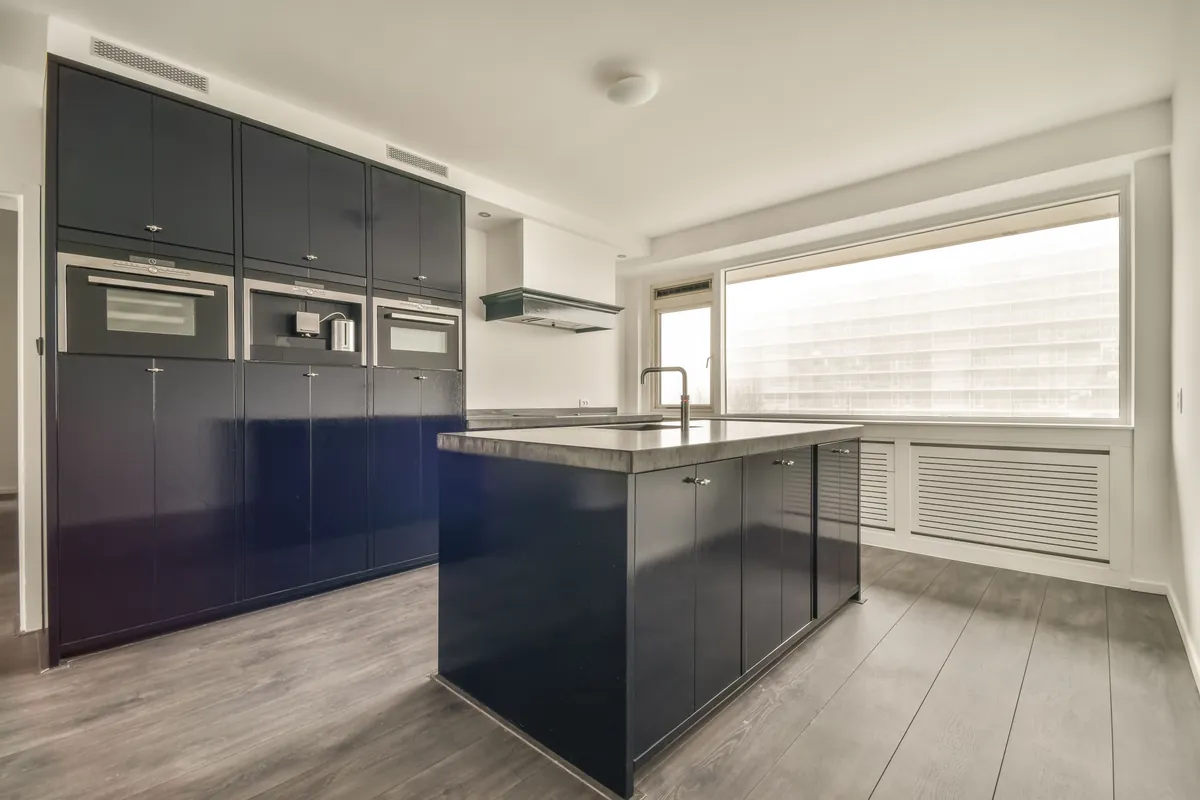
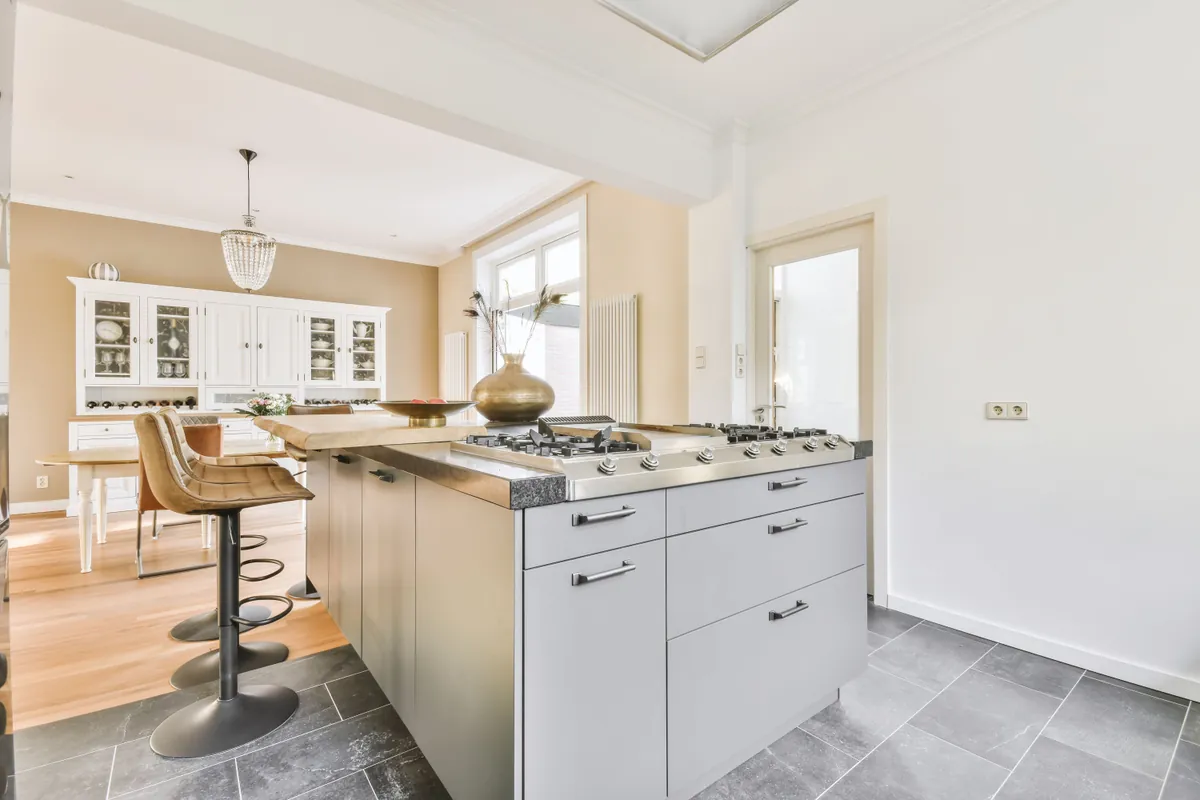
Illustrative photographs of this type of work. Our own completed jobs are on the recent work page.
Get the real number
Send the details and we will come measure, talk through the finish and put a written number in front of you before anything begins.


