
Starting at $2/linear ft
Fence painting and staining
Starting at $2 per linear foot. Wood and vinyl fencing washed, prepped and coated on both sides, with the gates included rather than treated as extra.
Both sides, and the gates
A fence coated on one side is a fence that will fail from the other. Moisture gets into untreated timber from the neighbour side and works through, and the coating you paid for lifts from behind. We do both faces, the rails, the posts and the gates as standard, and where a neighbour will not give access we will tell you what that means for the life of the job instead of quietly leaving it out.
Wood has to be dry
Pressure washing a wood fence and coating it the same afternoon is the most common way this job goes wrong. Timber holds water far longer than it looks like it does, and sealing that moisture in causes the coating to blister within weeks. We wash, we wait, and we check rather than guess. In the wet season that wait is longer, and we plan for it.
Vinyl is a different preparation
Vinyl fencing can be coated, but not with anything that will adhere to timber. It needs cleaning, a bonding primer made for low-surface-energy plastics, and a topcoat with enough flexibility to move as the material expands in the heat. A standard exterior acrylic straight onto vinyl will peel off in strips. It is worth asking anyone quoting you what they intend to prime it with.
Stain or paint
Stain soaks into timber and fades; paint sits on it and eventually peels. On a fence in this climate that is a real choice rather than a preference. Stain needs recoating sooner but fails gracefully, with no scraping. Paint lasts longer up front and is a much bigger job when it goes. We will tell you which we would choose for your fence and why, and the answer is not the same for a six-foot privacy fence as it is for a paddock rail.
What the price depends on
Fencing starts at $2 per linear foot and is quoted by the run rather than guessed from a photograph, because condition varies enormously along a single one. Height, the number of gates, whether the timber needs replacement boards before coating, and access from both sides are what move the number. The estimate is free and we will walk the run.
How the work runs
Step by step, in the order it happens
-
Wash and let it dry
Fences carry mildew, pollen and dirt on both faces. They get washed at a pressure the material can take, and then they have to dry. Coating damp wood traps moisture and is the most common reason a fence finish fails in its first year.
-
Repair before finishing
Loose boards, popped fasteners and failing gate hardware are dealt with first. There is no point putting a good finish onto a board that is coming off next season.
-
Mask what is behind it
Fences sit against planting, neighbouring property and frequently a pool deck. Masking and shielding is a real part of the work rather than an afterthought, particularly where spraying is the right method.
-
Coat both sides, and the tops
Both faces, and the cut end grain on post tops and rails, which is where water gets into timber first and where a single sided job starts rotting.
-
Gates last
Gates take the most handling and need to swing freely once coated. They get done last and checked for clearance before we leave.
What the price includes
- Washing at a pressure the material can take, and allowing proper drying time
- Refastening loose boards and pickets
- Masking planting, paving and adjacent property
- Both faces plus exposed end grain on posts and rails
- Gates coated, refitted and checked for clearance
What it does not
- Replacing rotten posts, rails or panels, which is quoted once the extent is visible
- Resetting leaning posts or concreting new ones
- Work on the neighbouring side where access has not been agreed
- Removing an existing failing finish that needs full stripping, as opposed to washing and scuffing
Anything here can still be quoted. It is listed so nothing on the estimate is a surprise later.
What moves the number
- Linear feet
- Priced from a starting rate of $2 per linear foot. That rate is a floor, and height and condition move it.
- Height
- A six foot fence is half again the surface area of a four foot one over the same run.
- Material
- Wood, vinyl and aluminium all want different preparation and different products.
- Condition
- Weathered grey timber that has never been finished drinks far more product than a fence being recoated.
- Stain or paint
- A penetrating stain and an opaque paint are different products with different coverage and different lifespans.
- Access
- A fence with planting tight against both faces is slower than an open run.
Wood has to be dry, and that is not the same as not raining
Timber holds water well after the surface looks dry, and in South Florida humidity it takes longer to give it up than most people expect. Coating wood that is still carrying moisture traps it behind the film, and it comes out as blistering, early peeling and dark staining under the finish. After washing, a fence wants real drying time, which in wet season can mean a gap of a couple of days rather than a couple of hours. Anyone who washes and coats the same afternoon in August has made a decision about your fence that you would not have made.
Stain or paint, and why it is not just a look
A penetrating stain soaks into the timber and wears by fading, which means recoating is straightforward: wash and reapply. An opaque paint forms a film on the surface, gives you far more colour choice and better coverage of weathered wood, but when it eventually fails it fails by peeling, and recoating means dealing with whatever is left of the old film. Neither is wrong. On a fence that is already painted, staying with paint is usually the practical answer, and on bare or previously stained timber a stain is often the lower maintenance path.
Questions we get asked
- Should I stain or paint my fence?
- A stain penetrates and wears by fading, so recoating is simply washing and reapplying. Paint forms a film, gives more colour choice and covers weathered wood better, but it eventually fails by peeling. On an already painted fence, staying with paint is usually the practical answer.
- Do you paint both sides of the fence?
- Yes, both faces plus the exposed end grain on post tops and rails, which is where water gets into timber first. Where the far side is on a neighbour’s property, access needs to be agreed beforehand.
- How long after washing can a fence be painted?
- It has to be genuinely dry, not just not raining. Timber holds water well after the surface looks dry, and in wet season that can mean a couple of days rather than a couple of hours. Coating damp wood traps moisture and causes early peeling.
- Can you paint a vinyl fence?
- Yes, with the right preparation and product. Vinyl chalks as it ages and that has to come off first, and the coating has to be one formulated to flex with a substrate that moves considerably with temperature.
What the work looks like
Fence Painting & Staining in practice
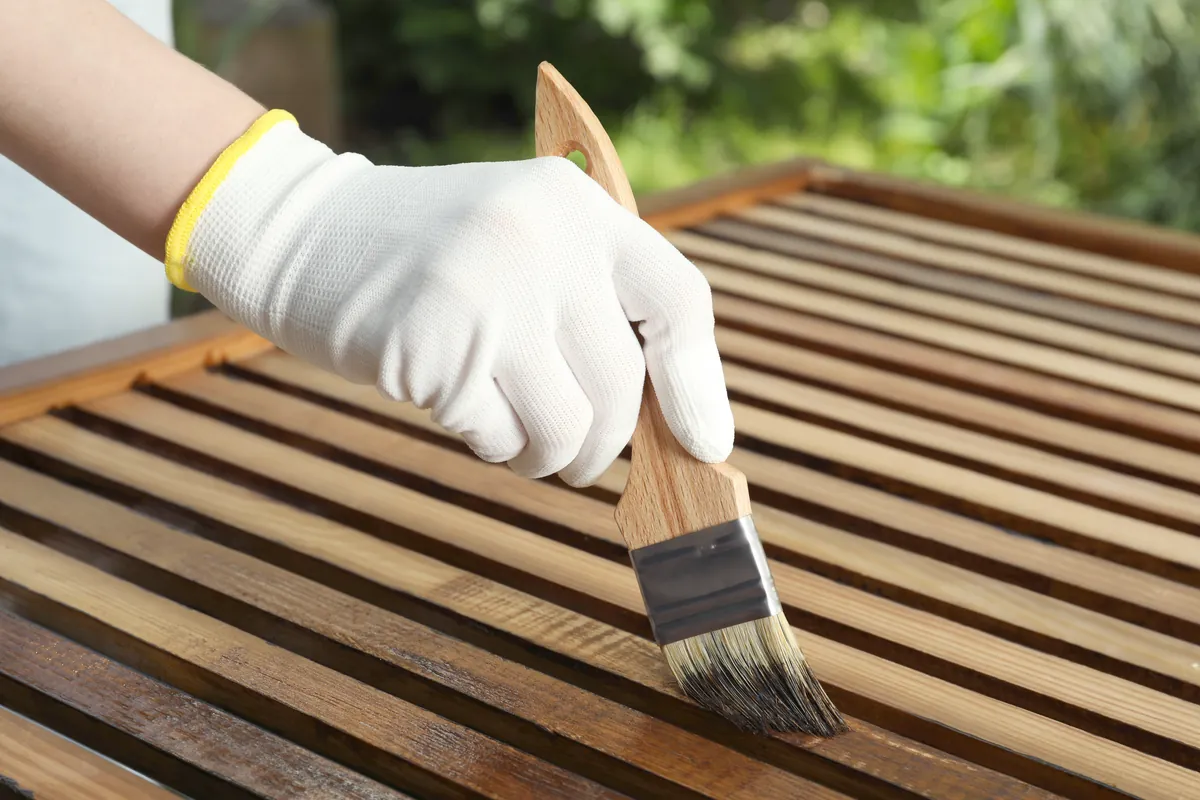
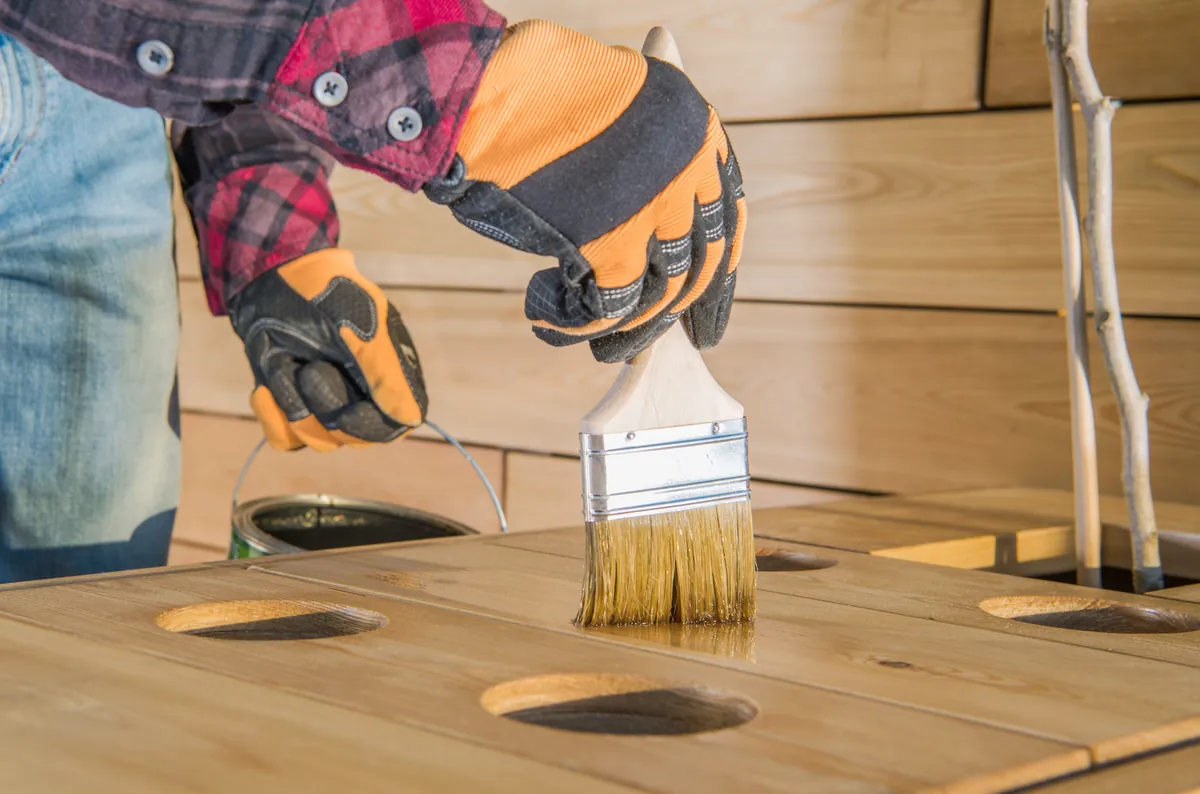
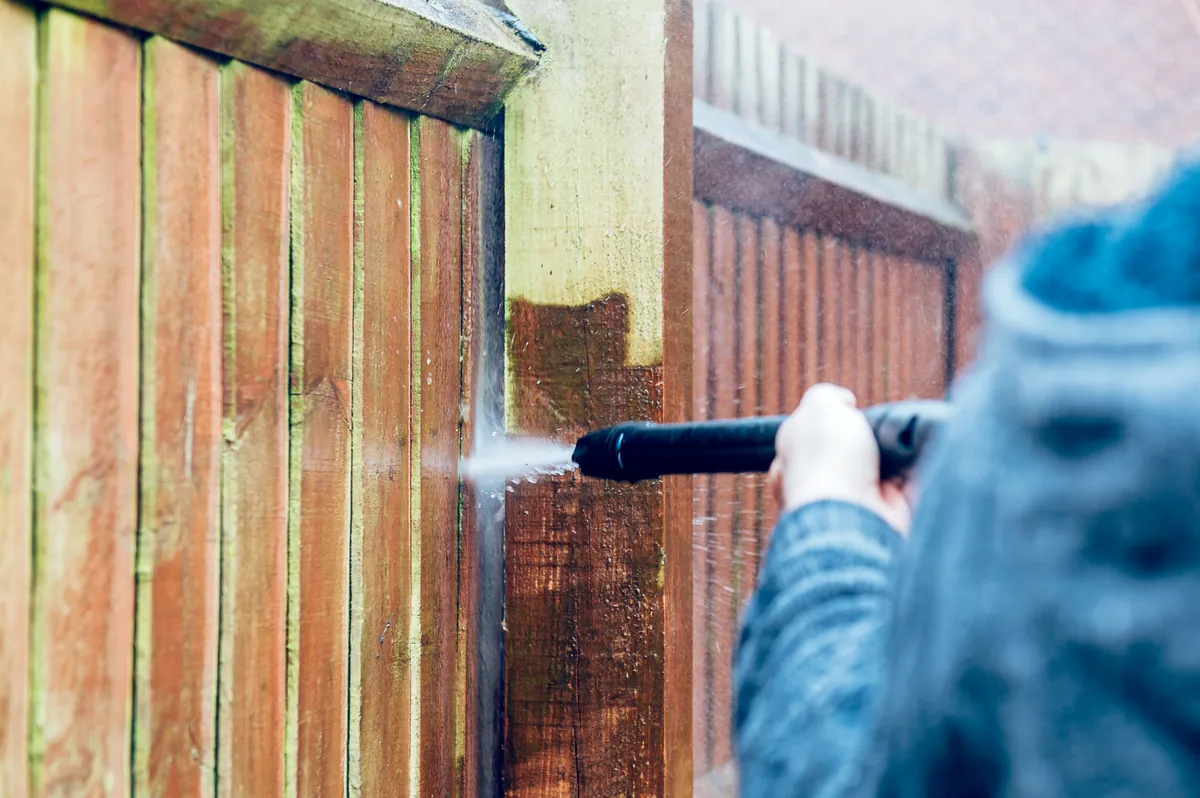
Illustrative photographs of this type of work. Our own completed jobs are on the recent work page.
Get the real number
Send the details and we will come measure, talk through the finish and put a written number in front of you before anything begins.


