
Starting at $2,500
Exterior painting in Boca Raton
Starting at $2,500. Stucco and CBS block prepped, sealed and coated to hold up against Florida sun, salt air and the summer rain that arrives without warning.
Why exteriors fail here
Three things kill an exterior coating in South Florida and none of them is the paint being cheap. Ultraviolet breaks the binder down from the outside. Salt drives into anything porous and lifts the coating from behind. And moisture moving out through block finds any film that cannot breathe and pushes it off in sheets. A coating chosen for one of those and not the other two will look fine for two seasons and then let go all at once.
Prep, in order
Pressure clean to remove chalk, salt and growth. Let it dry properly rather than coating a damp wall to keep a schedule. Open hairline cracks rather than bridging them, fill and float them out so the repair does not read in low sun. Prime bare stucco rather than spot-priming and hoping. Seal the joinery. Then coat. Each of those steps exists because skipping it produces a specific, predictable failure, and we would rather explain that up front than come back for it.
Coastal versus inland
A house within sight of the water and a house four miles inland get different specifications and different prices. On the coast we move to a system rated for chloride exposure and we wash with fresh water before prep, because painting salt into a wall guarantees the job fails. Inland that is unnecessary expense. The estimate says which one you are getting and why.
Timing around the season
Exterior work is a dry-season job wherever we can arrange it. Between June and October a storm can arrive within twenty minutes and take a fresh coat with it, so we start early, watch the radar rather than the forecast, and will tell you honestly when a week is not worth beginning. We are open 24/7 and will schedule around weather rather than through it.
How the work runs
Step by step, in the order it happens
-
Wash, properly
Every exterior starts with cleaning, and cleaning here means killing what is growing rather than rinsing it around. Algae and mildew are alive, and a coating applied over them is bonded to the growth rather than to the wall. The method changes per surface, which is covered in our note on pressure washing against soft washing.
-
Repair, caulk and seal
Cracks are opened, cleaned and filled rather than painted over. Failing caulk at window and door perimeters is cut out and replaced rather than laid over, because a bead on top of a failed bead fails at the same speed. Exposed nail heads and fixings are treated so they do not bleed rust through the finish.
-
Prime what needs it
Bare or repaired stucco gets a masonry primer. It evens out an absorption rate that otherwise varies wildly across a patched wall, binds any chalk left after washing, and gives the topcoat a consistent surface. On a chalking older wall that is not optional.
-
Coat, in the right order and the right window
Body, then trim, then doors and shutters. In wet season the day is front loaded so anything applied has set before the afternoon storms arrive, which is why a summer exterior takes more days than the same job in February.
-
Detail and walk the elevations
Cut lines, fascia, soffit returns and the places nobody looks at from the driveway. Then we walk each elevation with you.
What the price includes
- Washing appropriate to each surface, with landscaping protected and rinsed
- Opening and filling cracks, and replacing failing caulk at perimeters
- Masonry primer on bare and repaired areas
- Two full coats on body, trim and fascia unless the surface needs more
- Protecting windows, fixtures, pavers and plants throughout
What it does not
- Stucco replacement beyond crack repair, which is quoted once the extent is visible
- Wood rot replacement, which is rarely fully visible before preparation starts
- Roof work, gutter replacement or window repair
- Pressure cleaning of driveways and pavers, which is its own service
Anything here can still be quoted. It is listed so nothing on the estimate is a surprise later.
What moves the number
- Square footage and number of storeys
- A second storey changes access, staging and time far more than it changes area.
- Condition of the stucco
- A sound wall with light hairline cracking and a wall with widespread cracking are different jobs with different coatings.
- How much trim there is
- Fascia, soffit, shutters, garage doors and decorative banding are slow work compared with open wall.
- Colour change
- A significant change, particularly going lighter, adds coats.
- Access
- Tight side yards, screened enclosures, pool cages and landscaping right up to the wall all add time.
- Season
- Wet season means front loaded days and weather holds. The same job takes longer in August than in February.
What we do about cracking
Hairline cracking in stucco is normal and is not in itself a failure. What matters is whether it is stable and whether water is getting behind it. Cracks are opened slightly so filler has something to key into, cleaned out, filled with a flexible patching compound and primed. Painting straight over a crack hides it for a season and then telegraphs it back through, wider than before. Where cracking is widespread rather than isolated, an elastomeric coating is worth discussing, because it bridges movement that a conventional acrylic will telegraph. That decision belongs to the wall, not to the quote, and our note on coastal exteriors goes through the trade.
Why the number moves once we look
Wood rot and stucco damage are frequently not fully visible until washing and preparation are done. An estimate that quietly assumes none exists will produce an awkward conversation later. Ours states how additional work is priced and approved before it happens, so the decision is yours at the point it is found rather than a line on a final invoice.
Questions we get asked
- How often should a Florida house be repainted outside?
- It depends far more on exposure than on a fixed interval. Coastal properties taking salt and full sun go sooner than sheltered inland ones. The useful signals are chalking when you rub the surface, cracking that has opened up, and caulk joints that have gone brittle.
- Do you pressure wash before painting?
- The wall is always cleaned, but a wash for adhesion is a different specification from a wash for appearance. Depending on the surface that means a soft wash with proper dwell time rather than a fast mechanical pass, and the wall has to dry before anything is applied.
- Should I use elastomeric or regular exterior paint?
- Elastomeric suits a sound wall with hairline cracking and good drainage, because it bridges movement and sheds wind driven rain. It is much less breathable, so on a wall taking water from a leak it seals the moisture in. A quality acrylic is the default for most stucco here.
- How long does exterior painting take?
- A single storey house in dry season is commonly several days. The same house in August takes longer, because work is front loaded around the afternoon storms and stops with enough margin for the film to set.
- What happens if you find wood rot?
- It is frequently not visible until preparation starts. We show you what we have found, price the additional work and get your approval before carrying it out, rather than absorbing it silently or presenting it at the end.
What the work looks like
Exterior Painting in practice
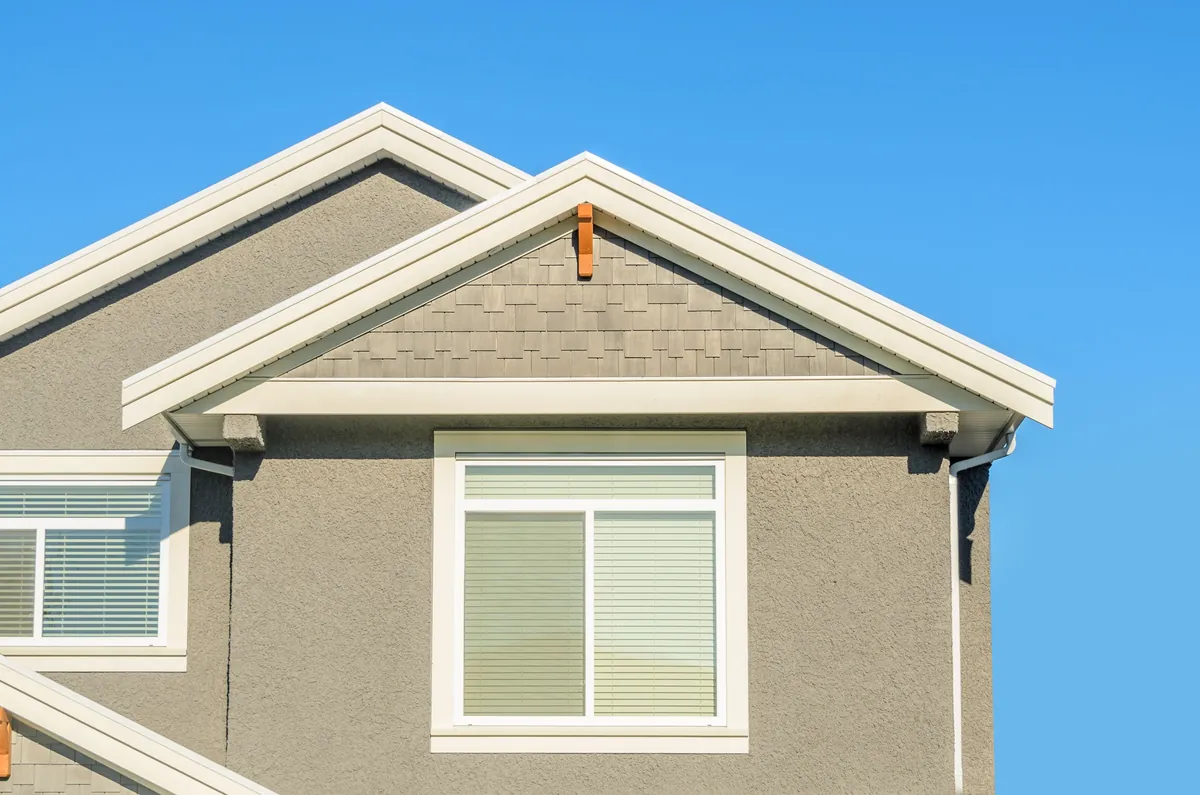
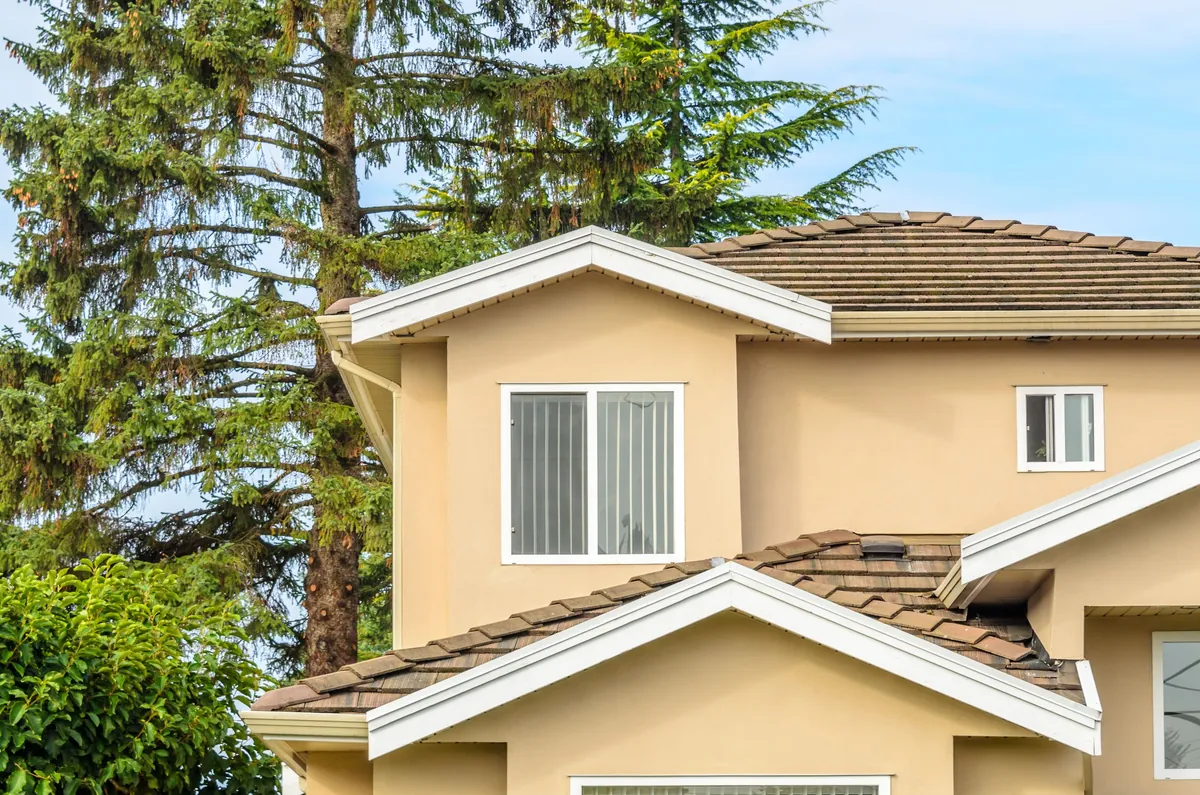
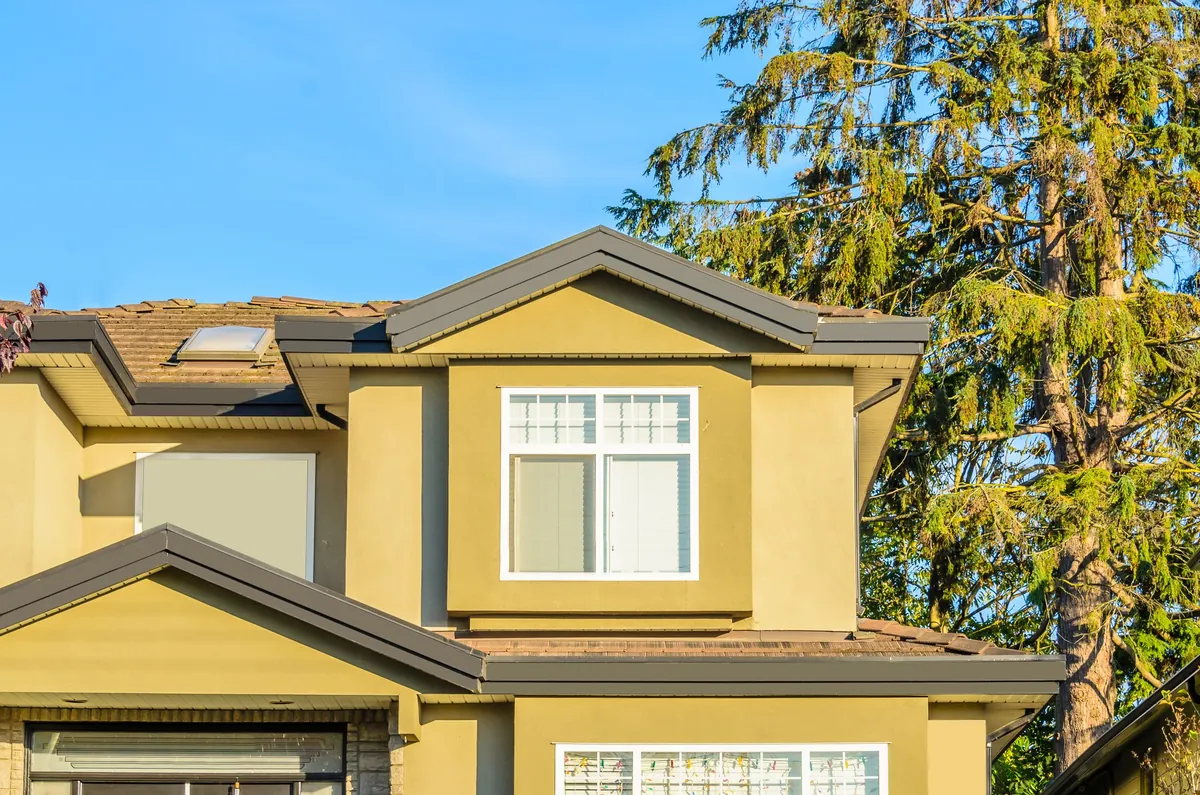
Illustrative photographs of this type of work. Our own completed jobs are on the recent work page.
Get the real number
Send the details and we will come measure, talk through the finish and put a written number in front of you before anything begins.


