
Starting at $150
Drywall repair and finishing in Boca Raton
Starting at $150. Holes, cracks and water damage patched, textured to match the surrounding wall and painted, so that the repair disappears rather than announcing itself.
Matching the texture is the hard part
Anybody can fill a hole. Making the fill invisible means reading the existing texture, whether it is knockdown, orange peel, skip trowel or smooth, and reproducing it at the right scale with the right tool. Get that wrong and the patch is more obvious than the damage was, because the eye catches the change in pattern long before it catches a change in colour.
Water damage needs the cause fixed first
A brown ceiling stain in this climate usually traces back to an air handler, a condensate line or roof flashing. We will patch and seal it so the stain does not bleed back through the new paint, which needs a stain-blocking primer rather than another coat of white. But if the source is still live the stain will return, and we will tell you that rather than take the money twice.
Cracks in a settled house
Hairline cracking at the corners of doors and windows is normal in South Florida houses, not a structural alarm. Those get taped and floated rather than simply filled, because filler alone in a moving joint will crack again along exactly the same line within a year.
Popcorn and texture removal
Where the ceiling texture is the problem rather than a crack in it, the job becomes removal rather than repair: scraped, skimmed smooth, sealed and painted, from $2 per square foot. If the house predates about 1980 we will raise testing with you first, because textured ceiling material of that age can contain asbestos and assuming otherwise is not a risk worth taking.
What the price depends on
The $150 is a starting point and it reflects a small repair on an accessible wall. What moves it is height, texture type, how many separate areas there are and whether the surrounding wall needs repainting corner to corner for the patch to disappear. On a textured wall it usually does, because a patch that is invisible in raking light but a different sheen is still a visible patch.
How the work runs
Step by step, in the order it happens
-
Find out why it happened
A crack that keeps coming back, a stain that reappears or a nail pop in a line across a ceiling is telling you something. Patching without establishing the cause produces a repair that fails again in the same place, so we look first.
-
Cut back to something solid
Damaged board is cut out square rather than feathered into. Water damaged board is removed rather than dried and painted, because paper that has been wet has already lost its bond and will bubble under the new coat.
-
Tape and coat
Fibreglass mesh or paper tape depending on the repair, then successive coats of compound, each one wider than the last and sanded between. Rushing this is how you get a repair that shows as a shallow dish under side light.
-
Match the texture
Knockdown, orange peel, smooth or a hand applied pattern. Getting this right is the hardest part of the job and it is what separates a repair you cannot find from one you notice every time you walk past.
-
Prime, then paint
Every repair is primed before painting. Fresh compound drinks paint at a completely different rate from the wall around it, and an unprimed patch cures duller than its surroundings under raking light.
What the price includes
- Identifying the cause before repairing the symptom
- Cutting back to solid material and replacing board where needed
- Taping, coating and sanding to a consistent finish
- Texture matching to the surrounding surface
- Priming every repair before paint
What it does not
- Fixing the plumbing or roof leak that caused water damage
- Structural framing work
- Full room repainting, unless the repair is extensive enough that we recommend it
- Asbestos testing or abatement on textured ceilings, which is specialist work
Anything here can still be quoted. It is listed so nothing on the estimate is a surprise later.
What moves the number
- Number and size of repairs, from a starting price of $150
- Several small repairs in one visit cost less each than one call out per hole.
- Ceiling or wall
- Ceilings are slower. Everything is overhead, and the side lighting from windows makes any imperfection far more visible.
- Texture type
- A smooth wall is straightforward. Matching an existing knockdown or a hand applied pattern takes skill and time.
- Cause
- A dent is a repair. Water damage means removing more than the visible area, because the board around it has usually wicked.
- Whether the wall then gets painted
- A repair is rarely invisible without at least painting the full plane it sits in, and often that is the honest recommendation.
Matching texture is the whole game
A structurally perfect patch with the wrong texture is more obvious than a rough patch with the right one, because the eye reads pattern before it reads flatness. Knockdown in particular varies enormously between houses and even between rooms, depending on the mud consistency, the spray pressure and how long the applicator waited before flattening it. Matching it means testing on a board rather than on your wall, adjusting, and testing again. Anyone who goes straight onto the ceiling with a hopper is guessing.
Why one wall often means the whole wall
Paint does not stop cleanly in the middle of a plane. A patch painted as a patch will show as a rectangle in certain light no matter how well it was blended, because the new paint has a slightly different sheen and the old paint has aged. Painting corner to corner on the affected plane removes that. On a ceiling it is not optional, because ceilings are side lit by every window in the room and a partial repaint is visible from the doorway.
Questions we get asked
- Can you match my textured ceiling?
- Usually yes. Knockdown, orange peel and hand applied patterns all vary between houses, so matching means testing on a board first, adjusting, and testing again rather than going straight onto the ceiling.
- Do you repair water damaged drywall?
- Yes, though the leak itself needs fixing first or the repair will fail again. Board that has been wet is removed rather than dried in place, because the paper has already lost its bond and will bubble under new paint.
- Will the repair be invisible?
- The repair itself can be. Making it invisible usually means painting the full wall or ceiling plane rather than just the patch, because new paint has a different sheen from aged paint and stops visibly in the middle of a surface.
- Why do my nail pops keep coming back?
- Usually movement, and sometimes fasteners that missed the framing. Re setting them properly and using the right fastener matters more than the filler. If they are appearing in a line, that is worth investigating rather than filling.
What the work looks like
Drywall Repair & Finishing in practice
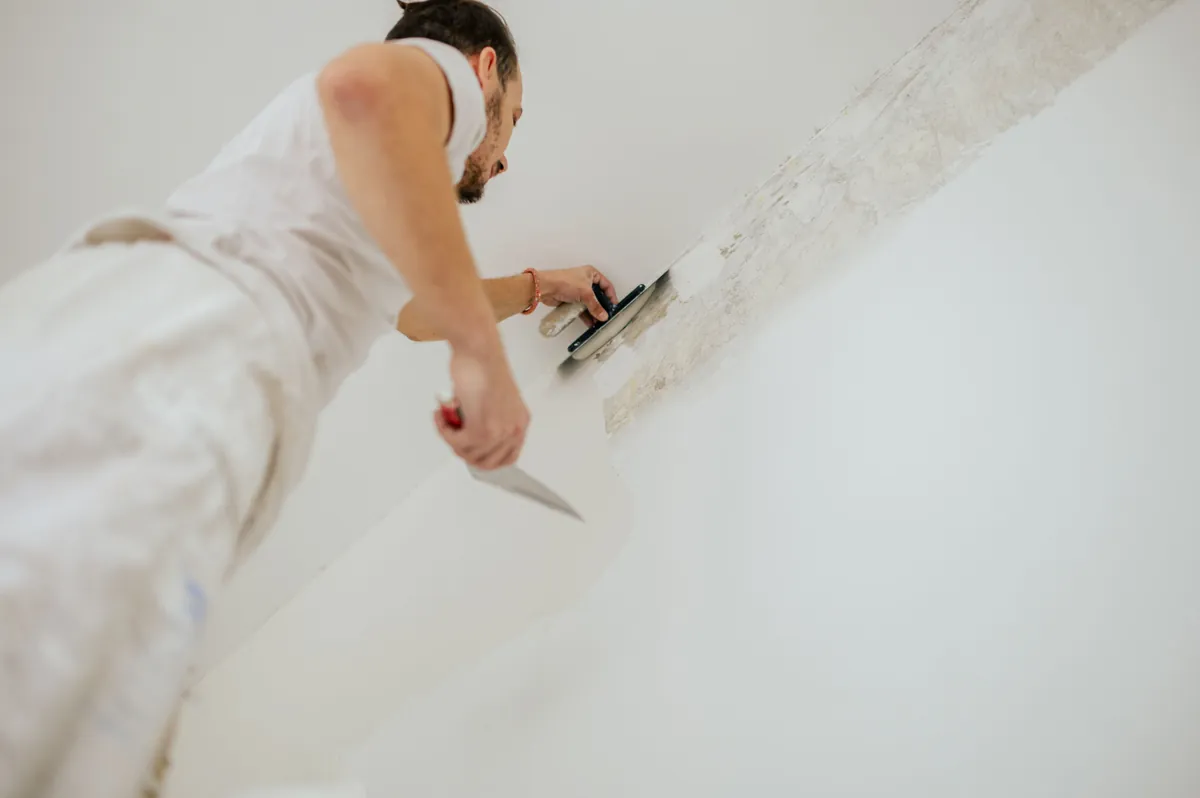
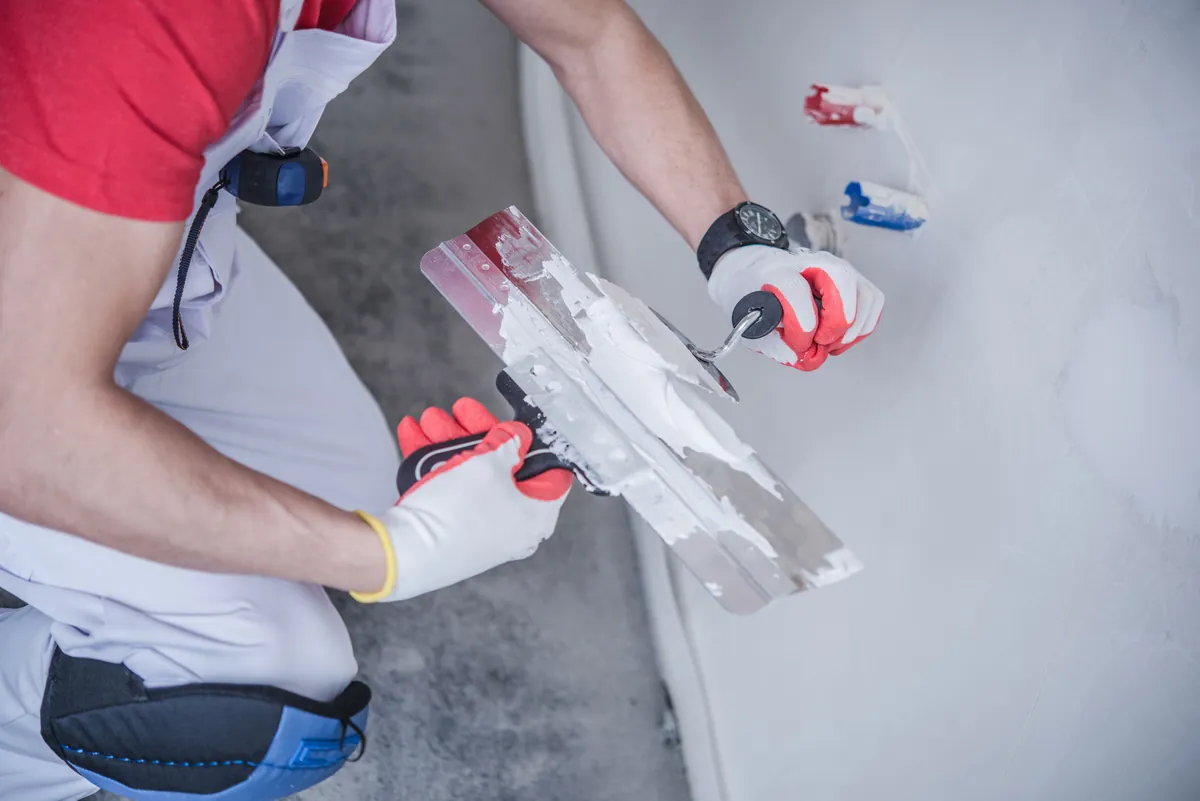
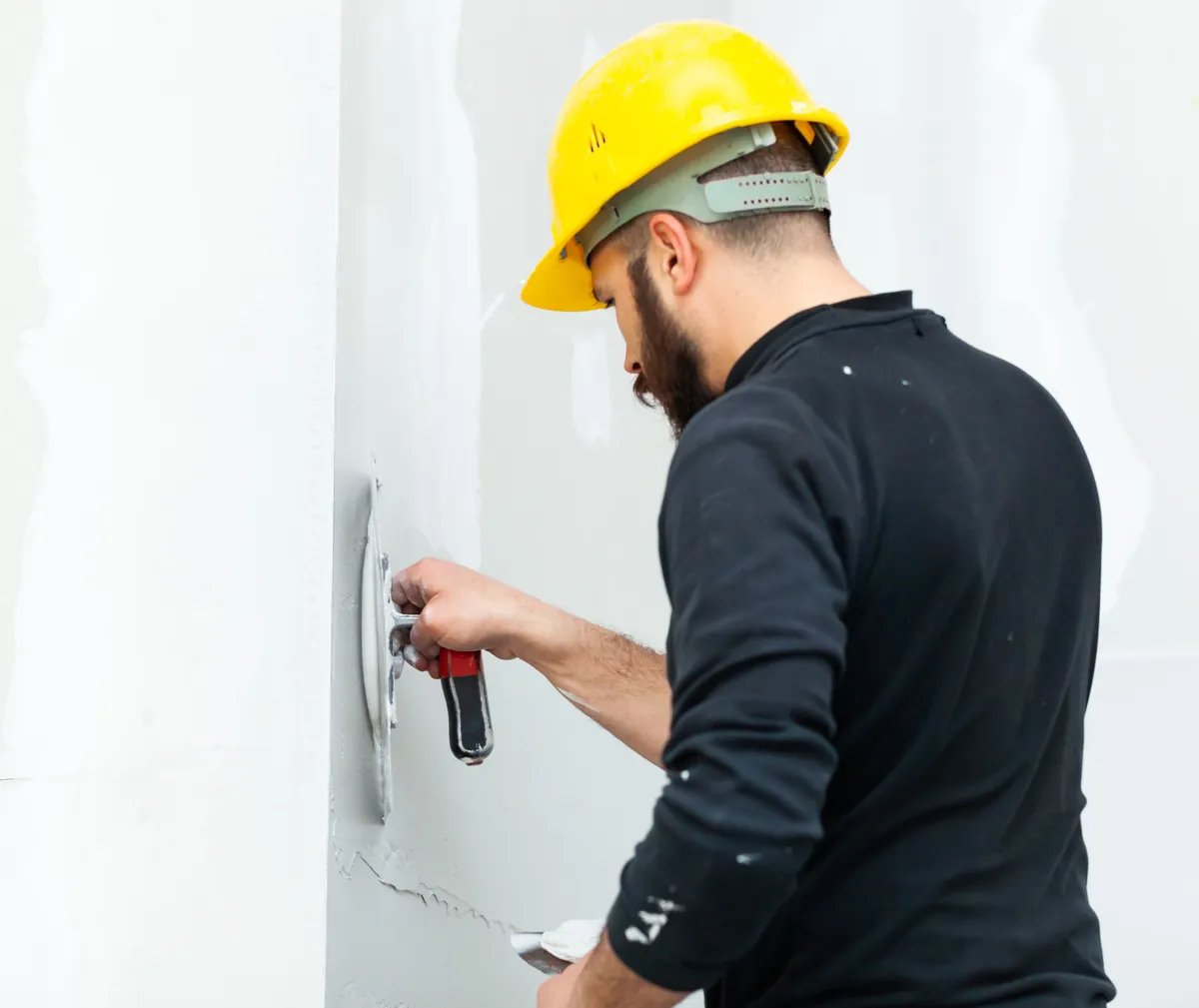
Illustrative photographs of this type of work. Our own completed jobs are on the recent work page.
Get the real number
Send the details and we will come measure, talk through the finish and put a written number in front of you before anything begins.


